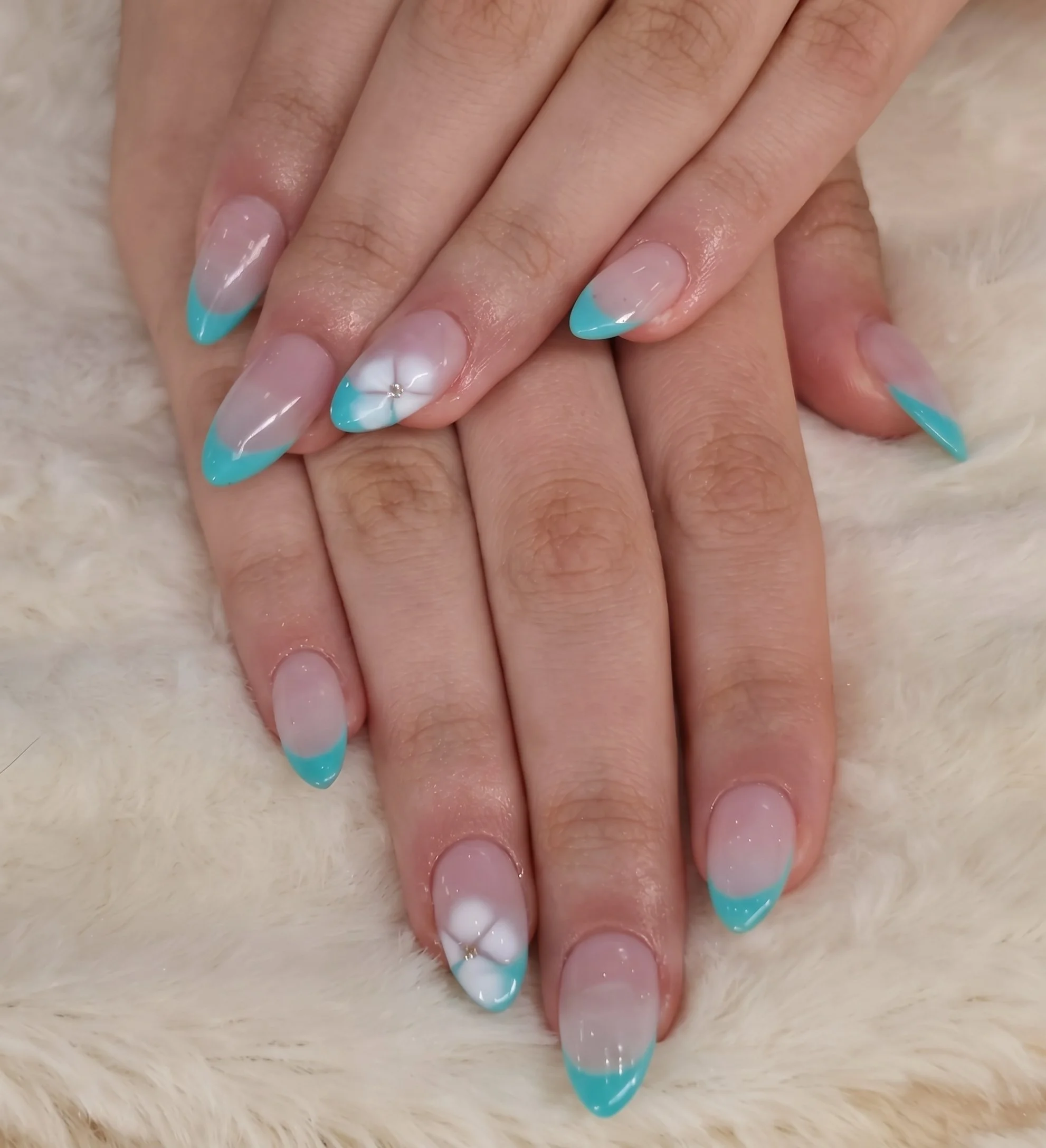
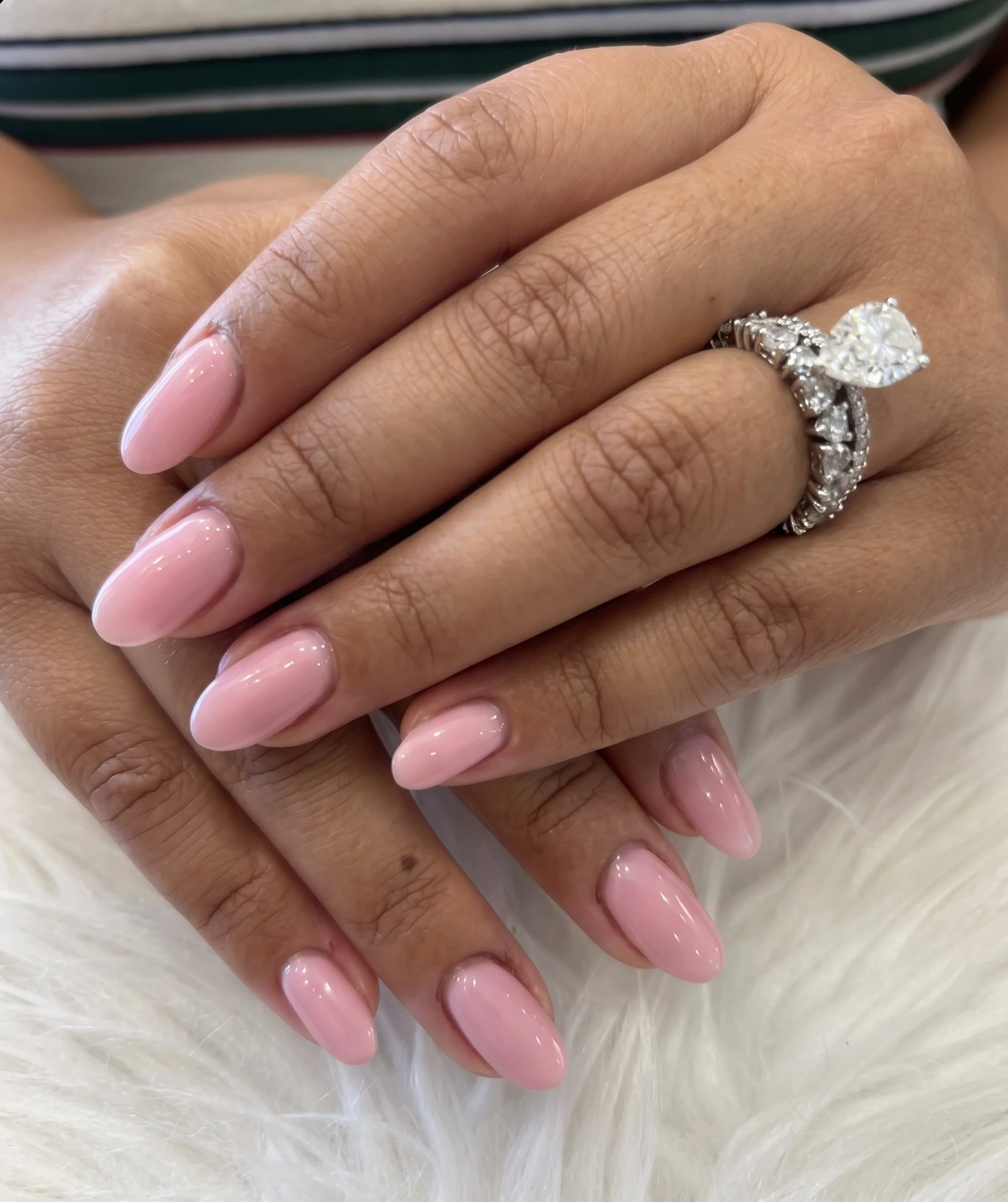
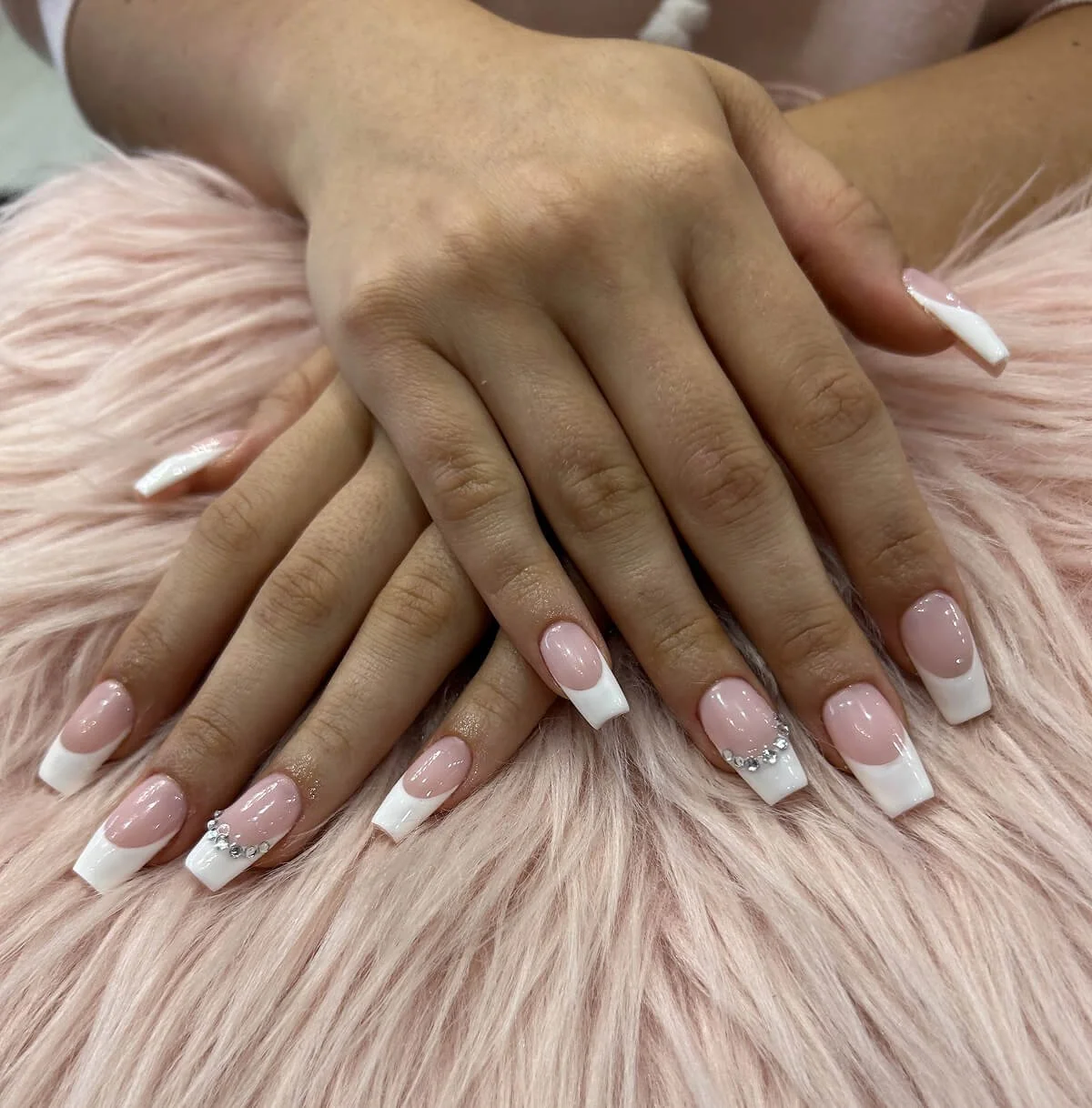
Choosing the right nail polish formula goes far beyond selecting a shade. When investing in detailed aesthetic concepts, modern nail techniques, or simply maintaining healthy natural nails, understanding the chemistry behind your polish is critical. The choice between gel and regular polish dictates not only how long your manicure will last, but also how well it preserves intricate design work and protects the structural integrity of your natural nail plate.
Whether you are booking a foundational service or exploring modern cuticle work with a gel manicure in Fort Lauderdale, understanding how polish formulas interact with your lifestyle ensures long-lasting results. This guide breaks down the science of gel vs. regular polish to help you select the ideal foundation for your nail goals.
Gel vs. Regular Polish Summary
The main difference between gel and regular nail polish is their chemical composition and drying process. Regular polish dries through ambient solvent evaporation, creating a flexible film that lasts 5 to 7 days. Gel polish consists of oligomers cured with UV or LED light via photo-polymerization, creating a hard polymer shell that lasts 2 to 3 weeks without chipping.
How Your Polish Dries vs. Cures
Understanding the molecular transition from liquid formula to long-lasting finish.
Regular Polish
Gel Polish
1. The Chemistry: How Gel and Regular Polish Work
The fundamental difference between gel and regular nail polish lies in how each formula transforms from a liquid in the bottle into a solid coating on the nail plate.
Regular Polish: Evaporation-Based Film Formation
Regular nail polish is an air-drying formula composed of nitrocellulose, decorative pigments, and plasticizers suspended in volatile solvents such as ethyl acetate and butyl acetate.
How it sets: When applied during a standard manicure, the liquid solvent gradually evaporates into the surrounding air. As the solvent dissipates, the remaining resin components bind together to form a flexible, dry film over the nail plate.
Characteristics: Because drying relies entirely on ambient air exposure, regular polish sets from the top layer downward. While the surface may feel dry to the touch within 10 to 15 minutes, the underlying layers can take up to several hours to fully harden.
Gel Polish: Photo-Polymerization
Gel polish is a light-cured formula consisting of acrylic oligomers, monomers, and photo-initiator compounds. It contains minimal to no evaporative solvents.
How it sets: Gel polish does not dry through air exposure; it cures through a chemical reaction called photo-polymerization. When exposed to specific light wavelengths emitted by an LED or UV lamp, the photo-initiators absorb light energy and trigger a rapid chain reaction. The small monomer molecules bind into tight, cross-linked polymer chains.
Characteristics: This reaction instantly transforms the liquid gel into a hardened, highly durable acrylic shell across all layers simultaneously in 30 to 60 seconds.
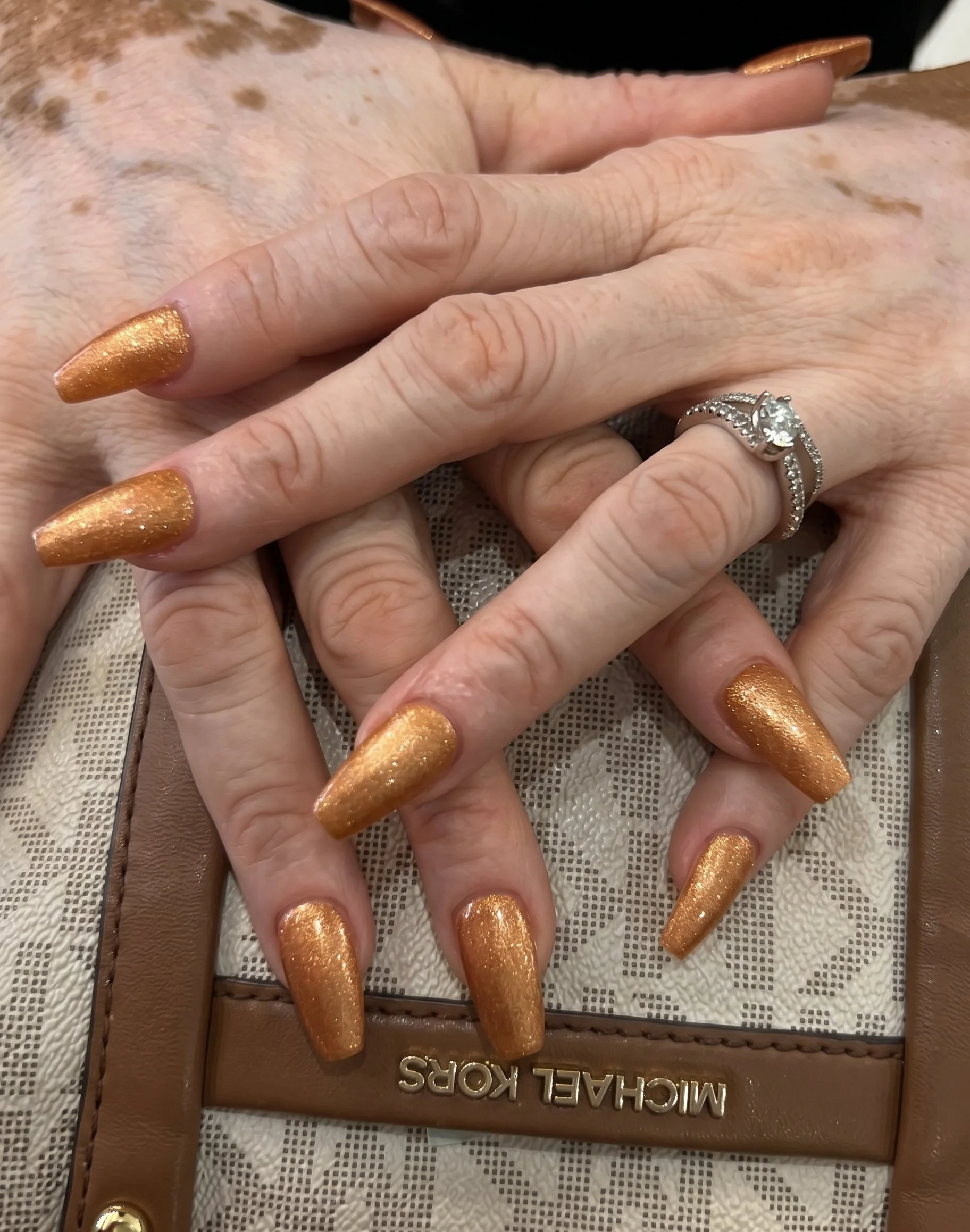
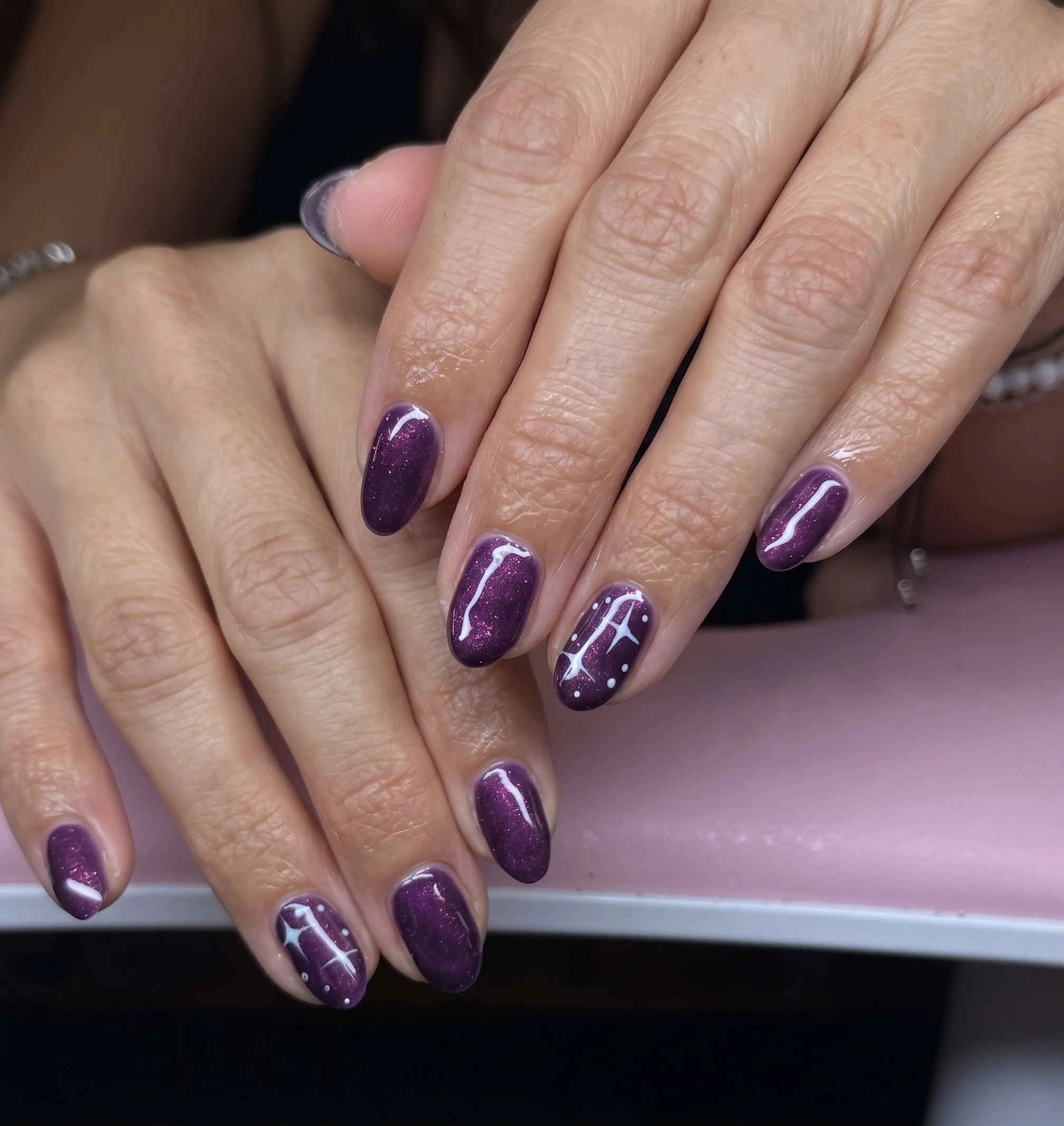
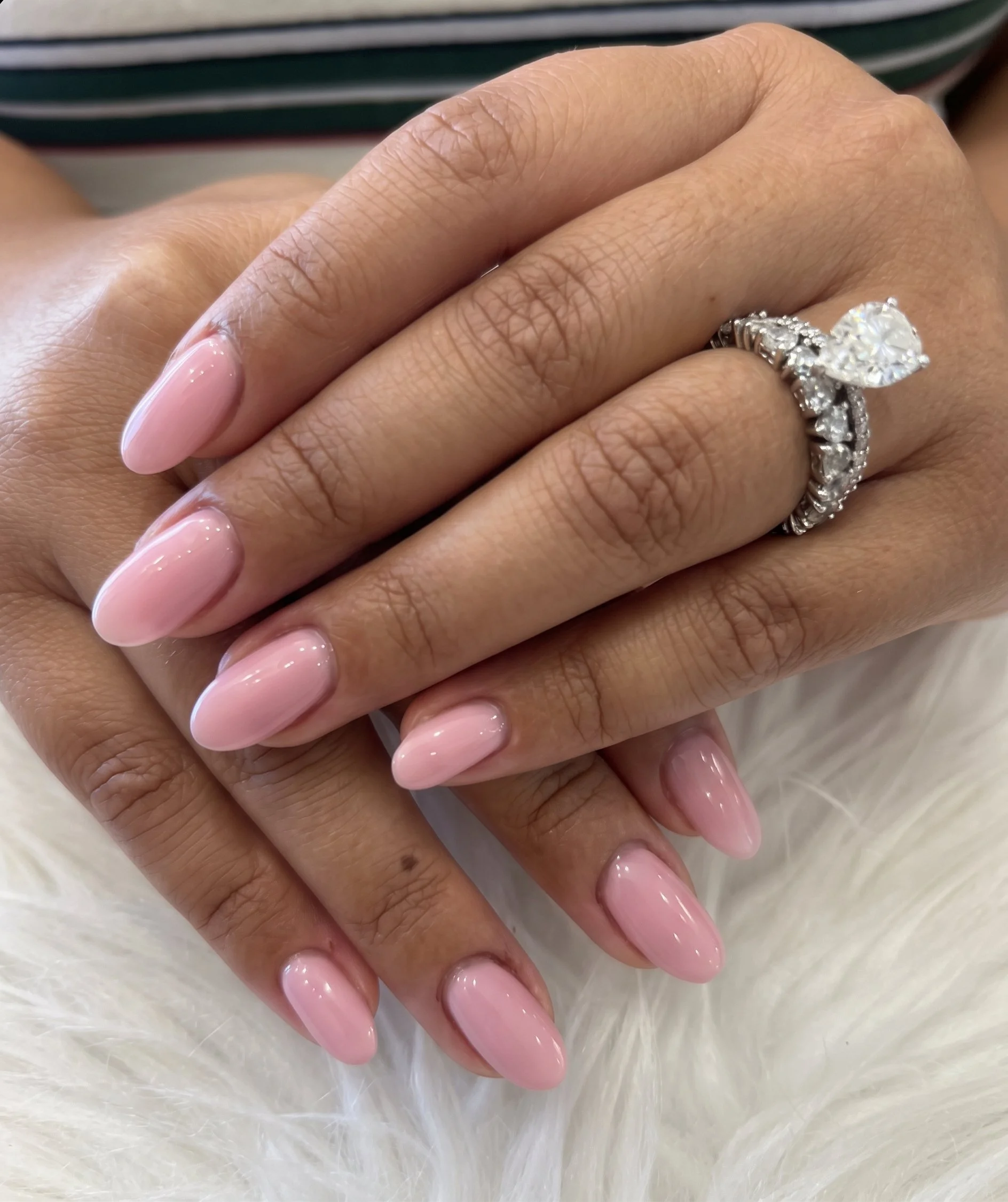
2. Gel vs. Regular Polish: Performance Comparison
To evaluate which formula suits your specific routine, compare their core attributes side by side:
| Feature / Metric | Regular Nail Polish | Gel Nail Polish |
|---|---|---|
| Drying / Setting Process | Ambient solvent evaporation (15–30 mins touch-dry; hours fully hard) | LED/UV photo-polymerization (30–60 secs per coat under lamp) |
| Average Wear Time | 5 to 7 days | 14 to 21+ days |
| Finish & Shine Retention | Moderate gloss; gradually dulls and micro-scratches with wear | Wet-look glass shine; highly resistant to scratches and dulling |
| Nail Art Preservation | Suitable for basic line work, stamping, and single accents | Essential for detailed hand-painting, 3D line work, chrome pigments, and foils |
| Structural Reinforcement | Minimal; remains flexible on the nail plate | High; adds rigid structural support to prevent natural nail bending |
| Removal Method | Solvent wipe with acetone or non-acetone remover (2–3 mins) | Controlled acetone soak-off or professional debulking (15–20 mins) |
| Impact on Natural Nail | Low removal impact; potential temporary surface dryness from acetone | Safe when applied/removed properly; risk of damage if peeled or scraped |
3. Curing Dynamics: UV/LED vs. Air Drying
Understanding how light-curing differs from air-drying clarifies why gel polish offers superior speed and precision during application.
Precision Curing for Fine Artwork
When creating complex nail designs, time and stability are essential. Regular polish begins drying the moment it touches the air, which can cause fine detail brushes to drag, thicken, or create uneven lines. Conversely, gel polish remains completely fluid and workable until it is placed under an LED or UV light.
Once placed in the lamp, the light triggers an immediate lock-in reaction, curing the design instantly. This allows nail artists to cure individual design elements sequentially, ensuring line work does not bleed or feather into surrounding colors.
The Physics of LED/UV Light & Skin Safety
Professional curing lamps operate within specific ultraviolet spectrum wavelengths—typically between 365 nm and 405 nm, to activate photo-initiators safely and efficiently. Modern professional LED lamps emit narrow-band ultraviolet light that cures gel in a fraction of the time required by traditional fluorescent UV units.
Dermatological guidance published by Harvard Health Publishing (Harvard Medical School) notes that while nail salon lamps (whether labeled LED or UV) all emit ultraviolet radiation, simple proactive precautions effectively safeguard your skin during manicures:
Apply Broad-Spectrum Sunscreen: Apply a broad-spectrum, water-resistant SPF 30+ sunscreen to your hands 20 minutes prior to your service.
Wear UPF Protective Gloves: Use fingerless UPF 50+ gloves designed specifically for nail services to shield the dorsal skin of the hands while leaving the nail plates exposed for curing.
4. Preserving Artwork: Which Formula Holds Up Best?
For clients selecting intricate, hand-painted artwork, chrome effects, or textured elements from modern 2026 trending nail designs, the choice of formula directly impacts how long those designs remain intact.
Nail Art Encapsulation
Compare how gel polish locks in hand-painted details vs. traditional air-dried polish.
Gel Polish System
Regular Polish
Encapsulation Power
Gel polish excels at art preservation because of its capacity for true encapsulation. High-shine, non-wipe gel top coats form a thick, completely non-porous protective barrier over pigments, chrome powders, and metallic foils. Because the top coat cures into a cross-linked acrylic sheet, embedded designs are shielded from daily physical wear, household chemicals, and water exposure.
Micro-Flexibility vs. Rigid Protection
Regular polish retains a high degree of micro-flexibility after drying. As your natural nail bends during everyday activities (such as typing, tapping, or handling objects), regular polish flexes alongside it. Over a few days, this movement causes microscopic cracks in the polish layer, leading to edge chipping and dulling of surface artwork.
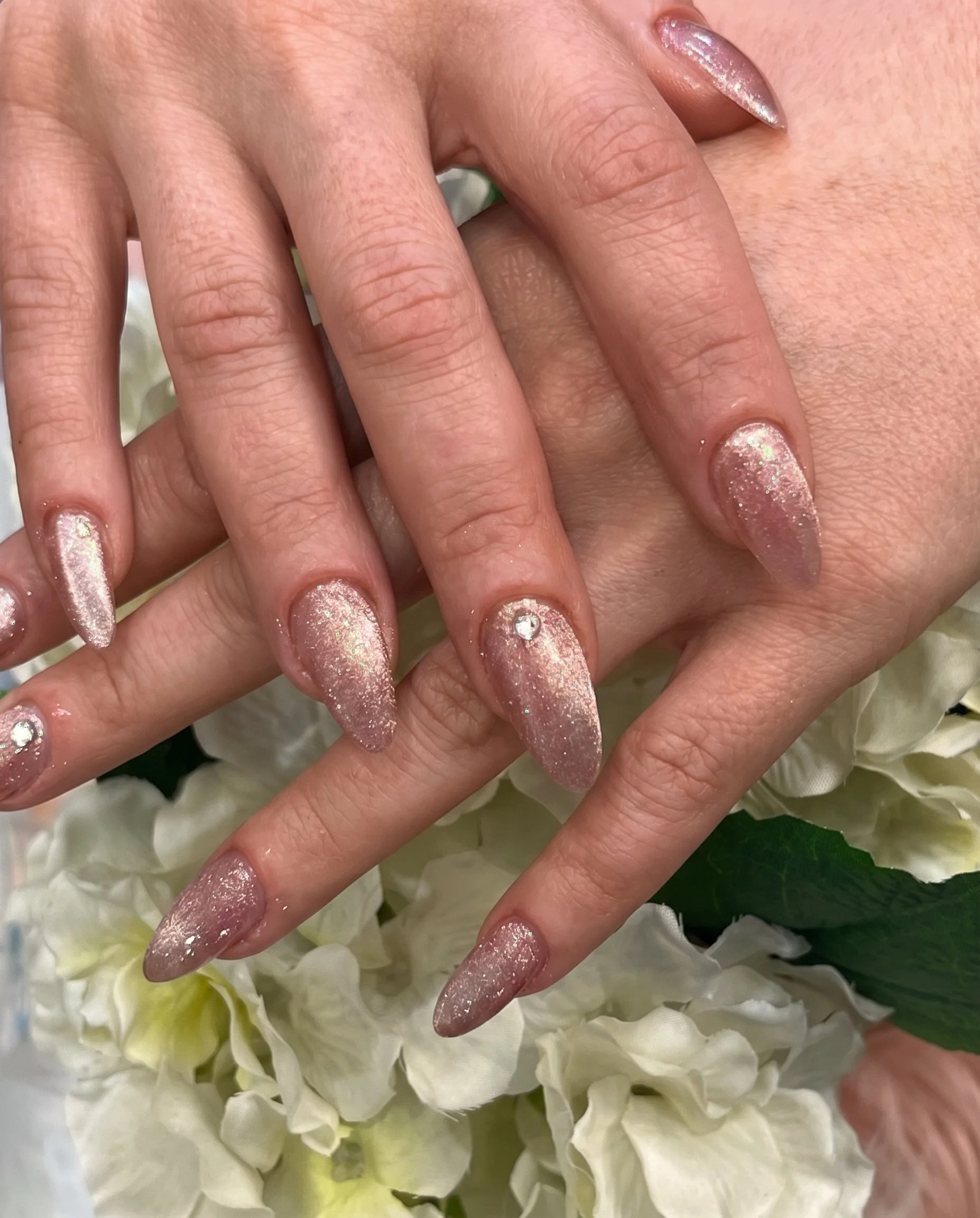
Gel polish provides a rigid structural reinforcement that stabilizes the natural nail plate, reducing bending and preserving fine lines, delicate gradient fades, and surface embellishments across different nail shapes, such as coffin, almond, or square, for three weeks or longer.
5. Base Coat Mechanics & Precision Preparation
A long-lasting manicure, whether gel or regular, depends on proper nail plate preparation and foundation choice.
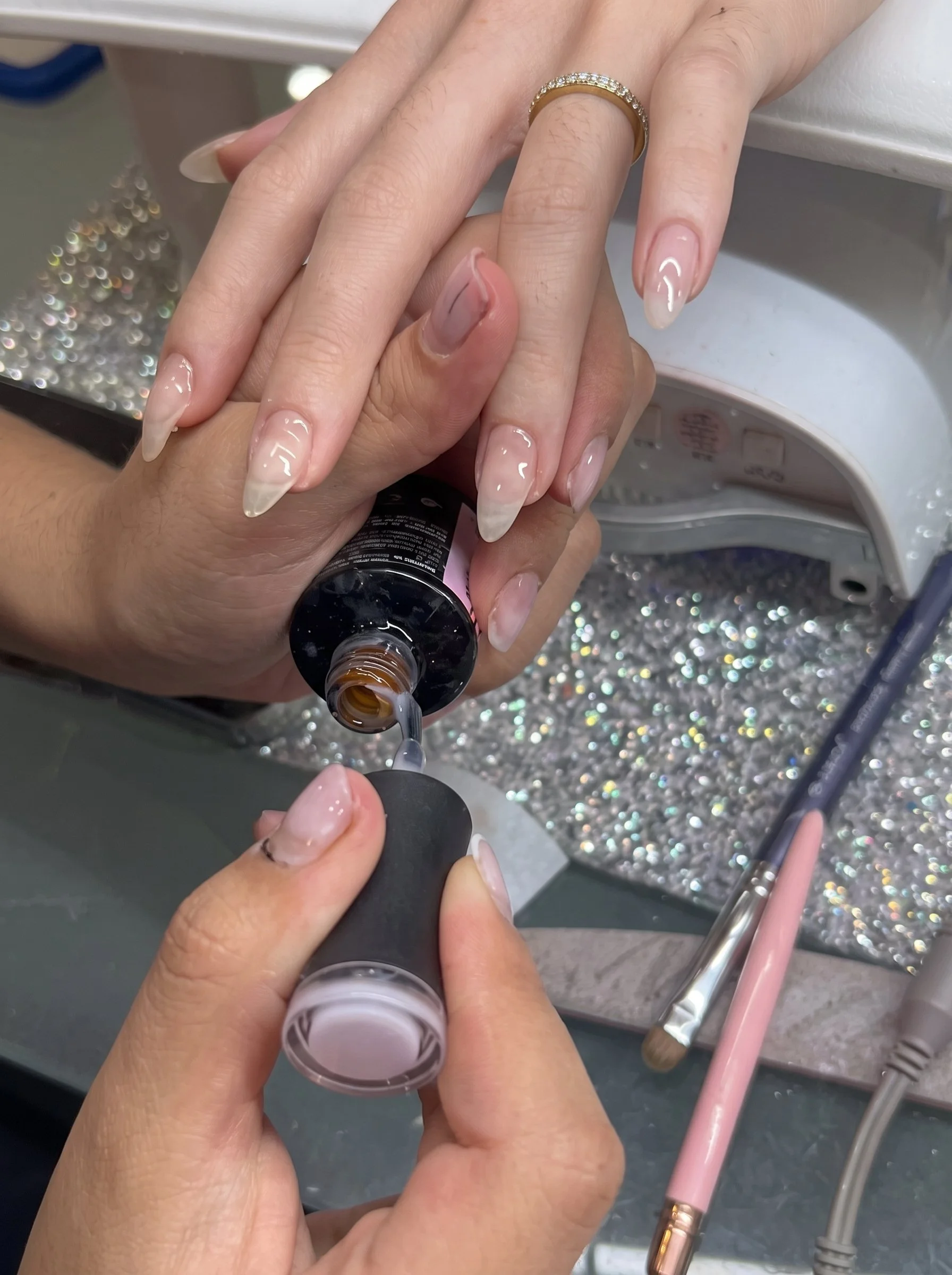
Preparing the Canvas
Before any polish application, the nail plate must be cleansed of surface lipids, moisture, and dead cuticle tissue along the proximal nail fold. If you are exploring the foundational steps of salon care, learning what a manicure is highlights how essential preparation is for longevity.
For clients seeking flawless, long-lasting wear, understanding what a russian manicure is explains how specialized e-file dry preparation removes non-living cuticle tissue seamlessly. When comparing a Russian manicure to a regular manicure, the Russian technique's meticulous dry preparation creates an ultra-clean nail bed that helps gel polish adhere perfectly along the cuticle line without premature lifting.
Choosing the Correct Base Formula
Ridge-Filling Regular Base Coats: Formulated with silica or micro-minerals to smooth out superficial nail ridges before air-drying polish. They rely on mechanical adhesion to hold regular polish to the nail surface.
Structured & Rubber Base Gels: Viscous gel bases designed to flex slightly with the natural nail while filling deeper grooves. Structured bases can be built up to create a smooth apex on flat nails, adding balanced weight distribution and superior chemical adhesion for gel systems.
If you prefer a full-service experience tailored to natural nail health and precision polish application, visiting a specialized luxury nail salon ensures your nail plate is properly assessed before selecting a base and color system.
Expert Opinion:
The Nail Glow & Co.
High-Authority Salon Perspective
Professional Perspective from The Nail Glow & Co. Team
"At our Fort Lauderdale atelier, we view nail care as a blend of craft, calm, and uncompromising precision. A common question from clients sitting in our chairs is whether gel or regular polish is better for natural nail health. The answer always comes down to technique and lifestyle.
When performing advanced nail artistry or building structural overlays, gel polish provides an unmatchable non-porous shell that locks in detail without dulling. However, we refuse to cut corners on execution. We use hospital-grade tool sterilization, single-use kits, and gentle hand-file preparation to ensure the natural nail plate beneath remains pristine. Whether a client chooses a classic regular polish refresh or a complex gel design, proper preparation and unhurried, gentle removal are what preserve natural nail integrity over a lifetime."
- Marialinda Bastone, The Nail Glow & Co Salon Owner
7. Safe Removal Protocols That Protect Natural Nails
A common misconception is that gel polish inherently thins or damages the natural nail plate. In reality, nail damage is almost always caused by improper mechanical removal—such as scraping, peeling, or prying off cured gel, which strips away the delicate dorsal layers of keratin.
Regular Polish Removal
Regular polish is simple and non-invasive to remove:
Saturate a cotton pad with acetone or non-acetone polish remover.
Hold the pad against the nail plate for 5 to 10 seconds to dissolve the nitrocellulose film.
Gently wipe downward toward the free edge.
Apply a nourishing cuticle oil containing jojoba or vitamin E to replenish surface lipids.
Gel Polish Removal Protocol
To safely remove gel polish at home without thinning your natural nail plate:
1.Debulk the Top Coat:Breaks the non-porous protective barrier.
Gently buff the shiny top layer of gel on each nail using a medium-grit hand file (180-grit) or e-file. Filing opens up the seal, allowing acetone to penetrate the lower gel layers.
2.Apply Pure Acetone Wraps:10 to 15 minutes contact time.
Saturate cotton pads with 100% pure acetone, place one on each nail plate, and wrap tightly with aluminum foil or silicone nail clips to trap heat and prevent evaporation.
3.Gently Slide Off Residue:Never scrape or force stubborn gel.
Unwrap one finger at a time. The gel should appear lifted and flaky. Gently push the softened gel off using an orangewood stick or precision cuticle pusher. If resistance remains, re-wrap for 5 additional minutes.
4.Hydrate Nail Plate and Skin:Restores lipid barrier.
Wash hands thoroughly with soap and water to remove remaining acetone. Finish by massaging rich cuticle oil and hand cream into the nail bed and surrounding skin.
Conclusion: Selecting Your Ideal Polish Formula
Both gel and regular nail polish offer distinct advantages depending on your aesthetic goals, schedule, and natural nail condition. Regular polish remains a great choice for quick, non-invasive color changes and effortless removal at home. However, when preserving intricate nail art, reinforcing weak natural nails, or enjoying weeks of flawless, high-shine wear, gel polish provides an unmatched cross-linked polymer shield.
By combining meticulous nail bed preparation, precise curing techniques, and patient acetone removal, you can enjoy vibrant color and complex design work while maintaining strong, healthy natural nails.
Frequently Asked Questions
-
Regular polish air-dries via solvent evaporation, yielding a flexible finish that lasts 5–7 days. Gel polish cures instantly under UV/LED light through photo-polymerization, creating a hard, shiny shell that lasts 14–21+ days.
-
Applying a gel top coat over regular polish is not recommended unless the regular polish has dried completely for at least 12 to 24 hours. Because regular polish sets via solvent evaporation, trapping unevaporated solvents underneath a cured gel top coat causes the polish to wrinkle, bubble, or peel away from the nail within days.
-
Gel polish itself does not damage natural nails. Damage typically occurs during aggressive removal, such as peeling off cured gel, which rips off natural keratin layers, or over-buffing the natural nail plate during prep. When applied with proper base products and removed using patient acetone wrapping, your natural nails remain strong and healthy.
-
For weak, thin, or brittle nails that tend to split, a structured gel base coat provides superior mechanical support by keeping the nail plate rigid under daily impacts. However, if your nails are severely compromised or dry, alternating gel services with regular polish treatments allows for easier hydration care and zero acetone exposure during removal.
Read more…