Russian Manicure vs Regular Manicure: Key Differences
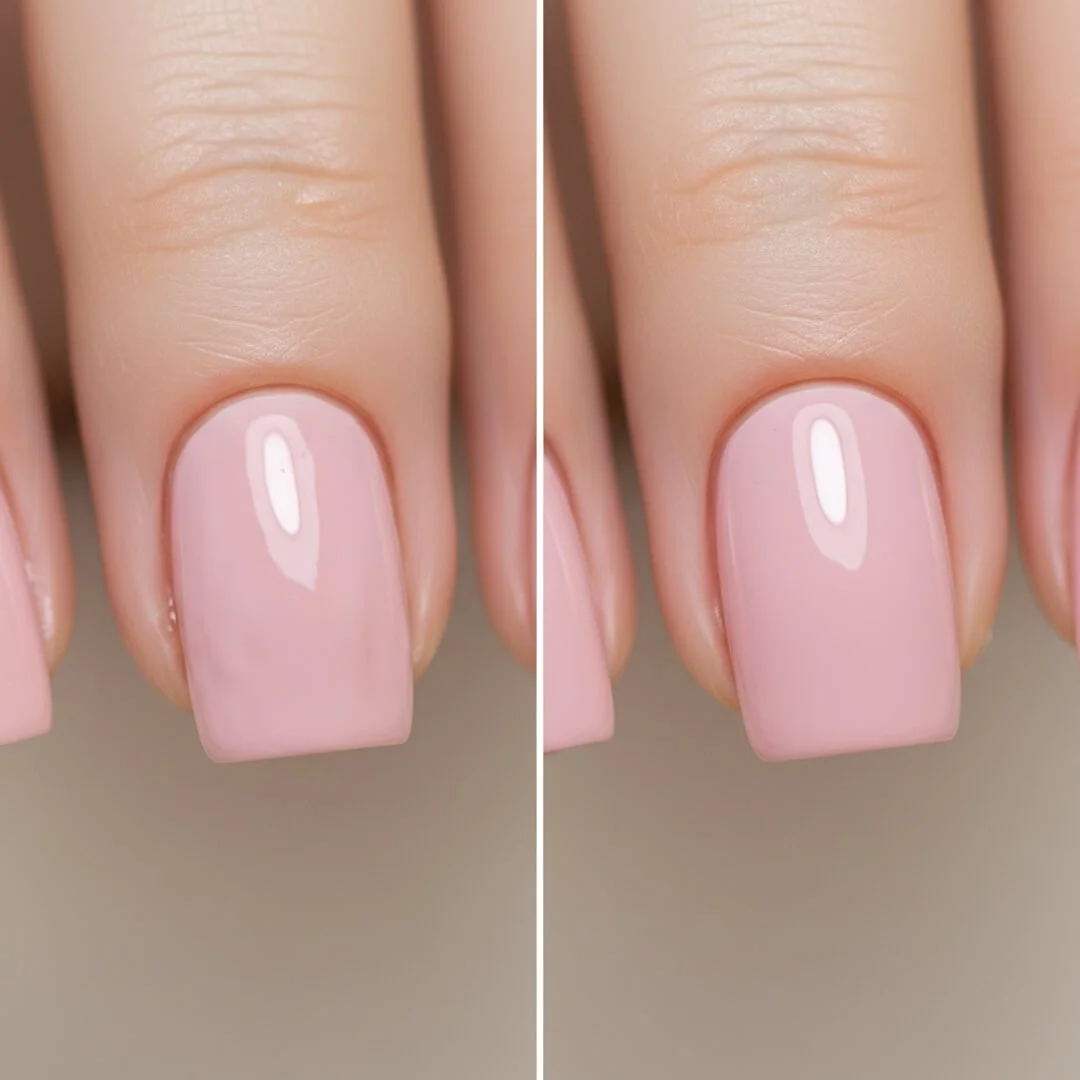
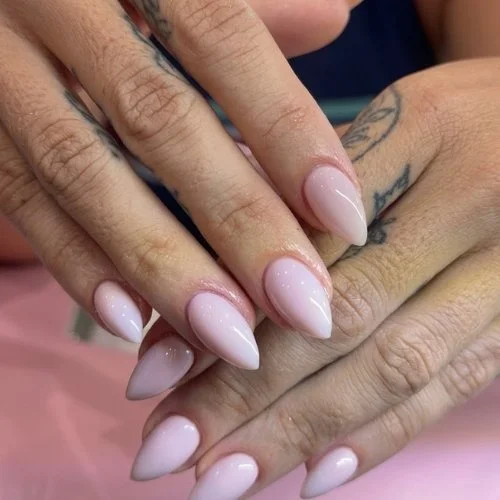
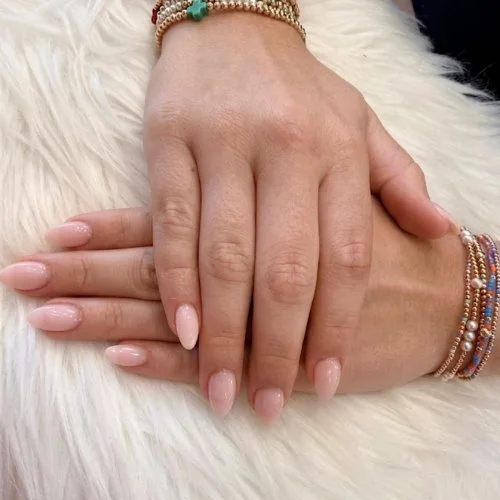
Choosing between a Russian manicure and a regular manicure comes down to one fundamental difference: how the nail plate and cuticle area are prepared. A regular manicure relies on a water soak and manual tools for basic grooming. A Russian manicure uses a completely dry e-file technique to refine the cuticle pocket and clean the nail plate with high precision. This distinction affects adhesion, visible grow-out, service time, cost, and how well the nails hold complex designs. For quality-minded clients comparing options, understanding these differences helps determine which method better suits longevity goals or serves as a refined base for detailed work.
What Exactly Is a Regular (Traditional) Manicure?
To fully understand what a manicure in the traditional sense is, one must look at the foundational salon service most people know. Hands are soaked in warm water to soften the skin and cuticles. A cuticle softener is often applied, then a pusher gently moves the cuticle back and nippers trim excess. Nails are shaped, lightly buffed, and finished with regular polish or gel. The process typically takes 30–50 minutes and uses standard hand tools.
Results are neat and serviceable. However, residual moisture can remain on the nail plate, and the cuticle work is usually less thorough. This can lead to earlier lifting of product and more noticeable regrowth within 1–2 weeks for gel or even sooner for traditional polish. It remains widely available, relatively affordable, and lower-commitment, ideal for clients who prefer frequent color changes or a relaxed spa experience.
What Exactly Is a Russian Manicure?
For those asking exactly what a Russian manicure is, the technique (also called a dry manicure or e-file manicure) originated in Eastern Europe and prioritizes precision over speed. No water is used. The technician works on a completely dry nail plate with an electric file fitted with specialized diamond or ceramic bits, often flame-shaped for the cuticle pocket and ball-shaped for refinement. Only non-living tissue is removed. The proximal nail fold is carefully cleaned so product can be applied very close to the skin line without flooding.
The service usually takes 70–120 minutes depending on whether it includes gel, builder gel, or structured overlay. The result is an ultra-clean margin, superior adhesion, and a grow-out that remains tidy longer, commonly 3–4 weeks. Russian technique is a preparation method, not a specific polish system; it is frequently paired with gel for maximum durability.
Side-by-Side Comparison
| Feature | Russian Manicure | Regular Manicure |
|---|---|---|
| Prep method | Dry, no soak | Wet, water soak |
| Primary tools | E-file with specialized bits + precision nippers | Manual pusher, softener, nippers |
| Cuticle result | Ultra-clean pocket, product sits flush | Softened and pushed; more residual tissue |
| Nail plate condition | Dry and residue-free | Slightly hydrated/swollen |
| Typical wear (gel) | 3–4 weeks | 1–2 weeks |
| Service time | 70–120 minutes | 30–50 minutes |
| Cost | Higher (specialist skill + equipment) | Lower and widely available |
| Best for | Longevity, clean grow-out, art-ready base | Quick refresh, frequent color changes |
| Skill requirement | Advanced training essential | Standard nail technician training |
Longevity and Grow-Out Analysis
Dry preparation is the main reason Russian manicures outlast regular ones. Natural nails are hygroscopic—they absorb water and swell during a soak. When gel is applied over an expanded nail plate, the nail shrinks back to its natural size as it dries over the following hours. This microscopic contraction creates micro-separations at the bond line, leading to early chipping and edge lifting.
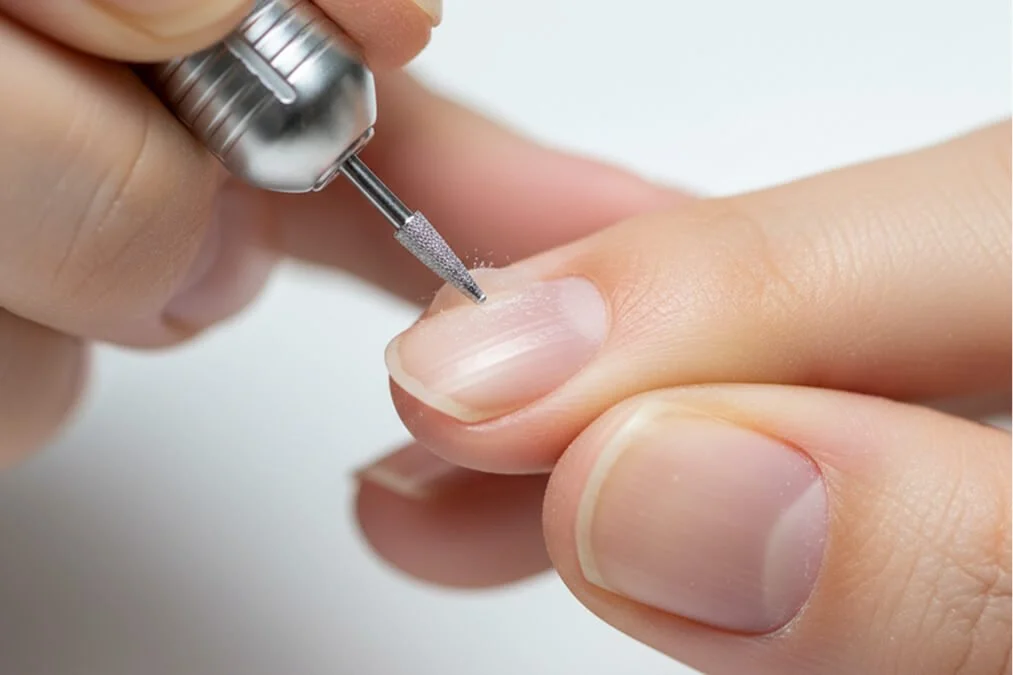
By working dry and thoroughly clearing the cuticle pocket, the technician creates a clean surface that allows gel or polish to adhere securely and sit closer to the natural nail line. As the nail grows, the color line remains cleaner longer, delaying the "grown-out" look. Realistic ranges depend on individual nail growth rate, aftercare, and product system. Many clients report 3–4 weeks of strong wear with Russian technique versus 1–2 weeks with a standard gel service.
Time, Cost, and Investment Comparison
A regular manicure is faster and less expensive, making it practical for routine maintenance. A Russian manicure requires more chair time and specialized skill, so the price is typically higher. When calculated on a cost-per-week basis, the longer wear of a well-executed Russian service often narrows or reverses the gap for clients who dislike frequent appointments. Those who change color every 10–14 days or prefer a spa-like soak may still find the traditional option more practical.
Nail Health, Safety, and Technician Skill
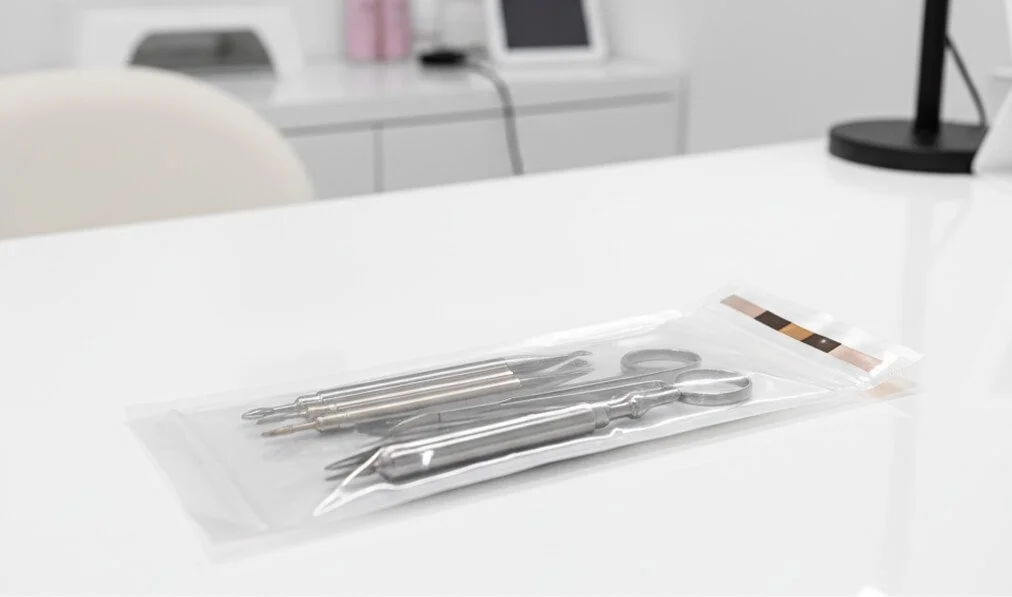
Both methods can be performed safely, but the margin for error is smaller with Russian technique. The cuticle functions as a protective seal. Aggressive or incorrect e-file work that removes living tissue increases the risk of irritation or infection. The American Academy of Dermatology (AAD) advises against cutting or aggressively manipulating living cuticles for this reason.
When performed correctly by a trained technician who removes only non-living tissue and maintains rigorous sterilization, Russian manicures are widely regarded as safe by experienced practitioners. The critical variable is the operator’s skill and hygiene standards, not the dry method itself.
Expert Perspective & Technique Execution
While medical professionals correctly advise against aggressive cuticle cutting to protect the body's natural seal, the conversation shifts entirely when discussing a true, master-level Russian manicure.
At The Nail Glow Co., we approach the cuticle not as an obstacle to remove, but as a delicate barrier to carefully refine. The fundamental misunderstanding in the beauty industry is equating a Russian manicure with "cutting the cuticle." A properly executed dry manicure is actually a process of advanced micro-exfoliation.
Expert Opinion:
The Nail Glow & Co. Philosophy
on Precision & Health
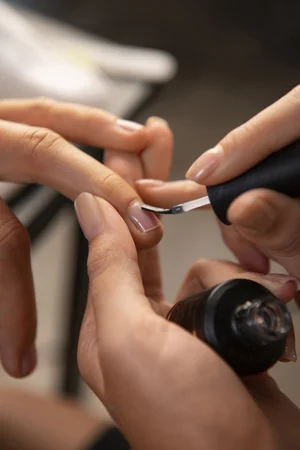
"Our philosophy is built on uncompromising precision. We use specialized diamond bits to gently exfoliate only the pterygium—the non-living, dead tissue attached to the nail plate—while completely preserving the living eponychium. By maintaining this natural seal and eliminating water-logged nail expansion, we create a mathematically perfect canvas.
- Marialinda Bastone, The Nail Glow & Co Salon Owner
In the humid, active environment of South Florida, a flawless application isn’t just about the first day's aesthetic; it’s about structural integrity that survives beach days, workouts, and the demands of modern life. When you invest in a Russian manicure, you are investing in the technician's elite education, rigorous sterilization protocols, and a deep understanding of nail anatomy. The result is a signature, photoshop-smooth finish that actively protects the natural nail while delivering a seamless three-to-four-week wear.
Which Method Creates the Better Canvas for Detailed Nail Work?
For trending nail designs, structured gels, or any application that benefits from a seamless edge and strong adhesion, the dry Russian prep provides a clearer advantage. The refined cuticle margin and dry plate allow product to sit flush without gaps or flooding, supporting cleaner lines and longer-lasting art. A regular manicure remains perfectly adequate for simpler color services or clients who prioritize speed and relaxation over maximum precision.
Decision Framework: Who Should Choose Which
Choose a regular manicure if: You want a quicker, more affordable service, enjoy the soak experience, change polish frequently, or prefer lower technical risk.
Choose a Russian manicure if: You value extended wear, a refined grow-out, and a meticulously prepared surface, especially if you plan more elaborate designs or prefer fewer salon visits.
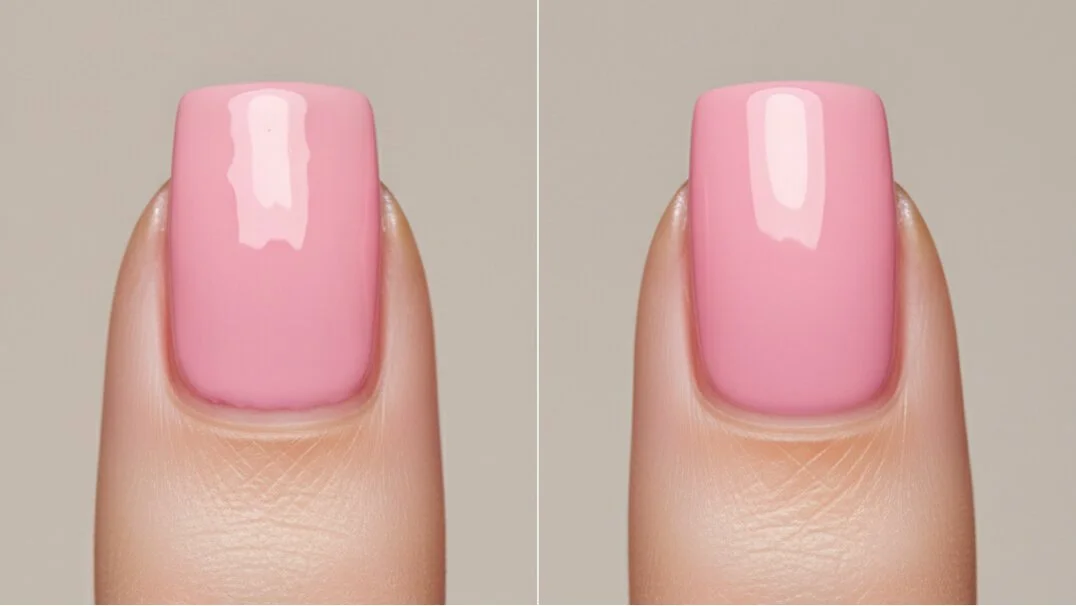
Regular Manicure vs. Russian Manicure
A side-by-side comparison of chair time, wear longevity, and overall value.
Regular Manicure
Frequent color changes & quick pampering
Russian Manicure
Low maintenance, flawless regrowth & higher cost-per-week value
Many clients begin with traditional services and transition to Russian technique once they experience the difference in longevity and finish. Location and technician quality matter. In Fort Lauderdale, clients seeking refined results often look for specialists who combine both approaches thoughtfully. Those researching the best nail salon in Fort Lauderdale, FL can evaluate portfolios and technician credentials carefully. For clients specifically interested in long-wearing color, a gel manicure appointment that incorporates proper dry prep can deliver the benefits of both worlds when the technician is highly skilled.
Frequently Asked Questions
-
No. A Russian manicure refers exclusively to the dry, e-file preparation method used to clean the nail plate and cuticle. A gel manicure refers to the UV-cured product applied afterward. While they are frequently combined for maximum durability, you can apply regular polish over a Russian manicure or traditional polish over a regular wet prep.
-
Yes, typically 3–4 weeks versus 1–2 weeks for a standard gel service. By eliminating the water soak, the nail plate does not temporarily swell and shrink. Applying product to a completely dry, residue-free baseline prevents the micro-separations that cause early chipping.
-
When performed correctly by a certified technician, it is completely safe and painless. An e-file should only be used to buff away non-living tissue (pterygium). Any pain, burning, or redness indicates that the technician is using incorrect pressure, the wrong drill bit, or spinning the file at inappropriate RPMs.
-
The premium price reflects the significantly longer service time (often 1.5 to 2 hours) and the advanced expertise required. It also accounts for the specialized equipment used, including high-grade e-files, diamond bits, and rigorous, medical-grade sterilization processes (like autoclaving tools between each client).
Read more…